

Chip Conley Has Life Lessons for Gen Z — and the Rest of Us
“Ten years from now, what will I regret if I don’t do it now?”
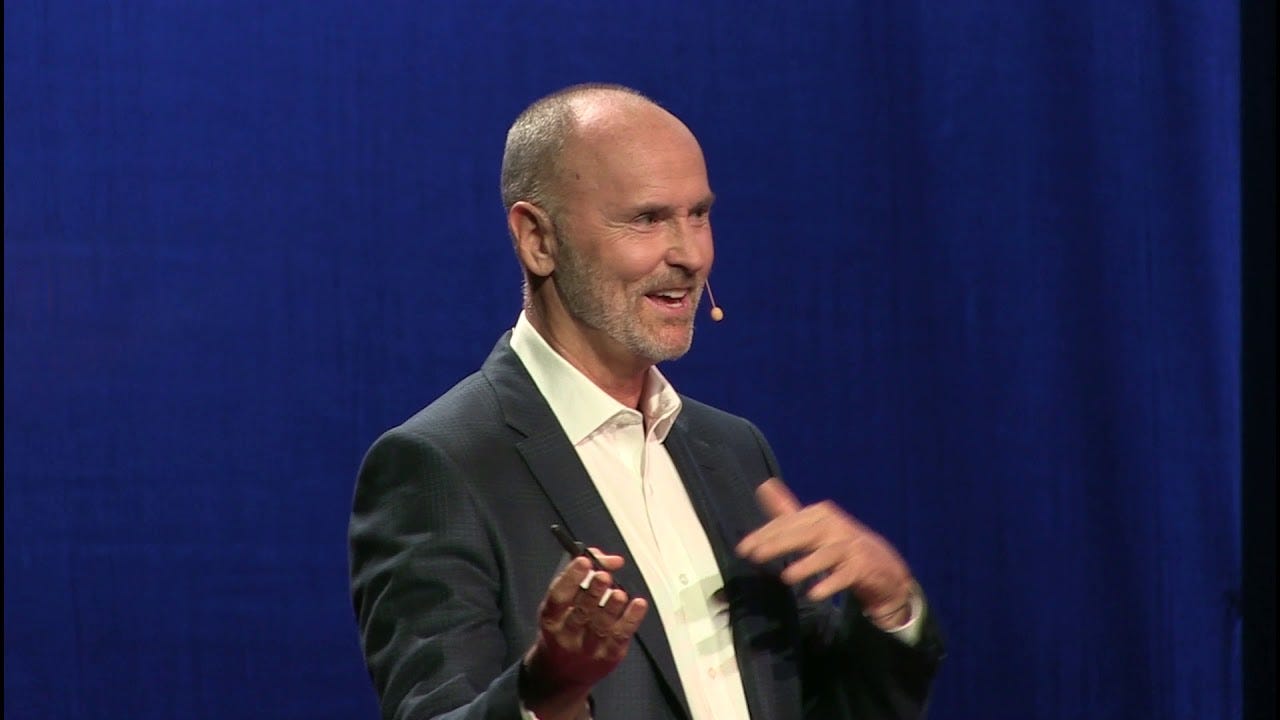
In this episode, Rainn sits down with thrice-invited TED speaker, entrepreneur, hospitality innovator, podcaster and author Chip Conley to explore a powerful idea: that in times of rapid change, what we need most isn’t more information—it’s wisdom.
The two discuss what Chip’s learned from building the Modern Elder Academy, where people across generations come together to exchange something our culture often separates: the curiosity of youth and the wisdom of experience.
Chip reflects on the ideas behind his book Learning to Love Midlife, describing why research increasingly shows that life can actually grow richer with age—and why midlife may be less of a crisis than a chrysalis.
He and Rainn talk about mentorship, aging, courage, and what it looks like for generations to learn from one another as we navigate a messy world going through challenging times.
The conversation takes a deeply personal turn when Chip reflects on living with cancer and the question that now guides how he spends his time:
“Ten years from now, what will I regret if I don’t do it now?”
That’s a question we’d all do well to return to—often.
Check it out and share your thoughts. We’d love to hear how you’re navigating this moment—whatever season of life you’re in.
For many years I have pondered the relationship between ego and soul. It seems like many view that relationship as a struggle or competition.
I love Chip’s take that the ego is our path to the soul. As we mature we become less egocentric and more conscious of our souls.
This is in line with Baha’i teachings that say the human race is experiencing a phase of adolescence. As humankind matures, we will become more in tune with our collective soul.
https://dwightleewolter.substack.com/p/planting-a-rose-garden-during-wartime?r=59bib&utm_medium=ios