

Finding Relief in Grief
Thank God My Mom's Dead. (ft. Holly Brown)
Dear Fellow Works-in-Progress,
This week on the Soul Boom podcast, Rainn sits down with comedian and podcaster Holly Brown for a conversation about childhood trauma, addiction, OCD, forgiveness, and the strange ways humor can help us approach experiences that might otherwise feel unbearable.
Not everyone who has a difficult childhood becomes a performer, and not every performer had a difficult childhood. But anyone who has spent time in the entertainment industry can attest that the overlap in that Venn diagram is extensive.
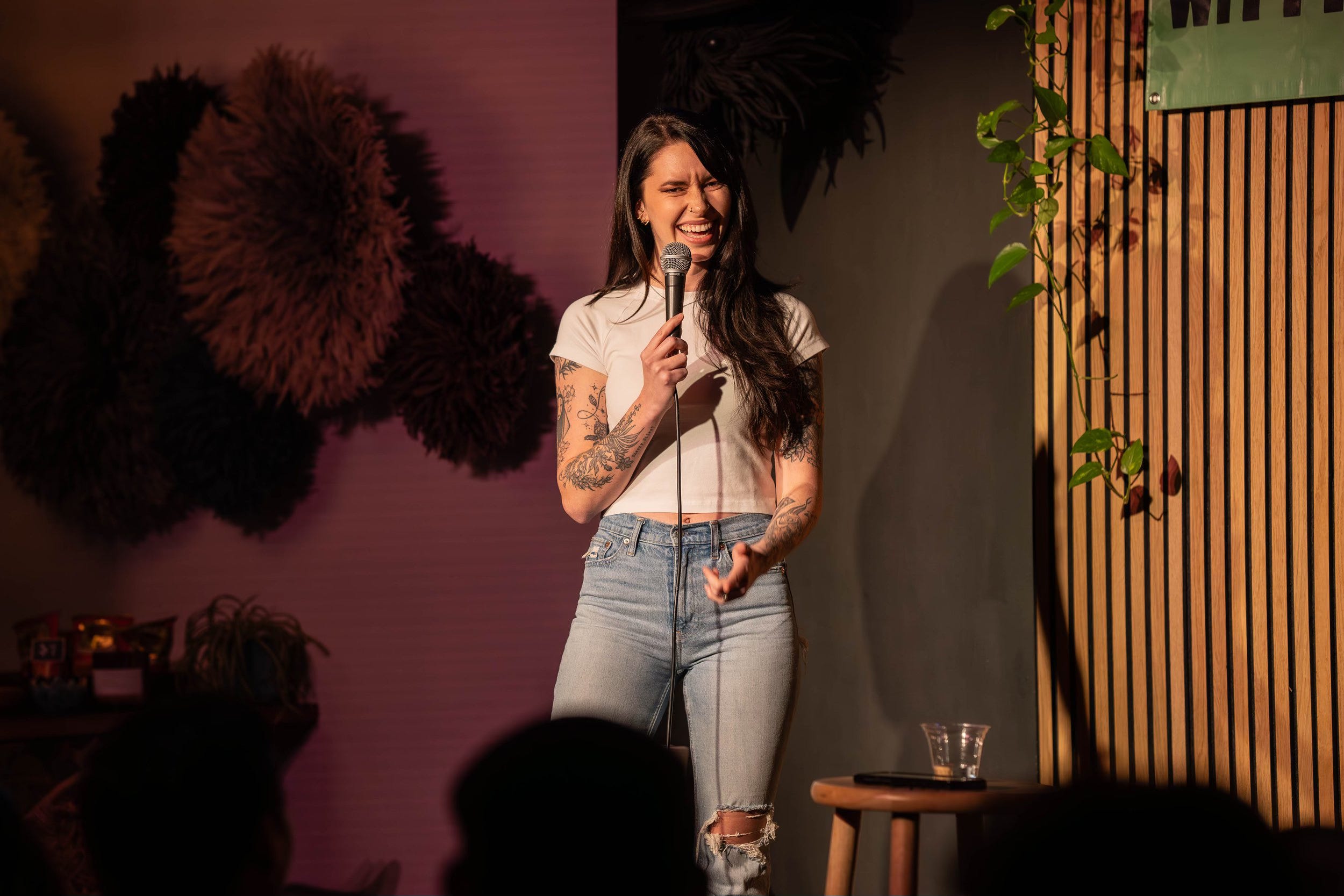
Does childhood adversity actually lead people toward performance more often? Perhaps the impulse to entertain begins as a way of regulating an unpredictable room: making people laugh, controlling the mood, or becoming whoever the moment requires. Or perhaps the entertainment industry simply offers a particularly visible sampling of wounds that are widespread throughout society. We’re not qualified to say. Either way, the overlap tells us something about our current human condition—and about how many people learn to survive long before they learn how to heal.
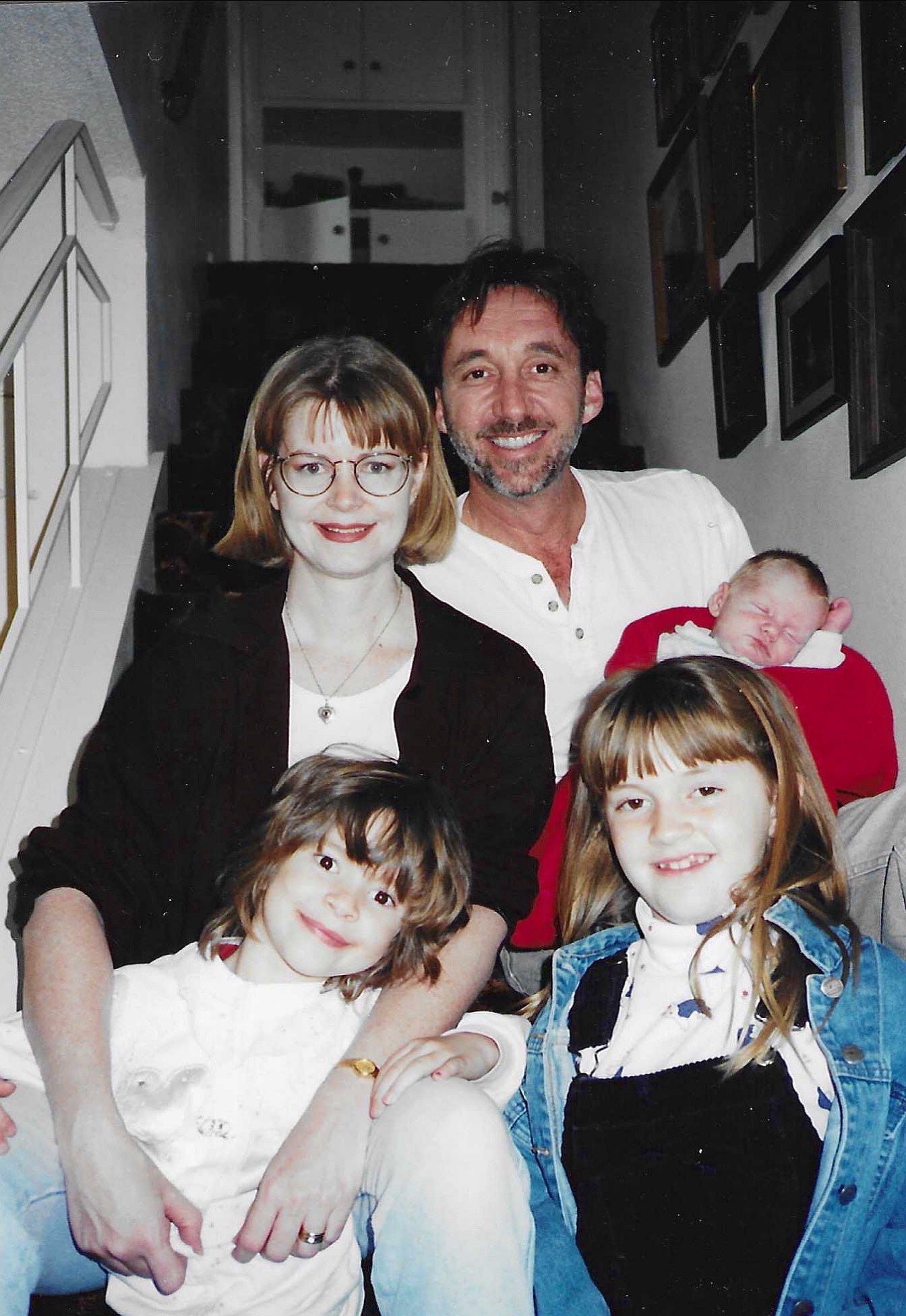
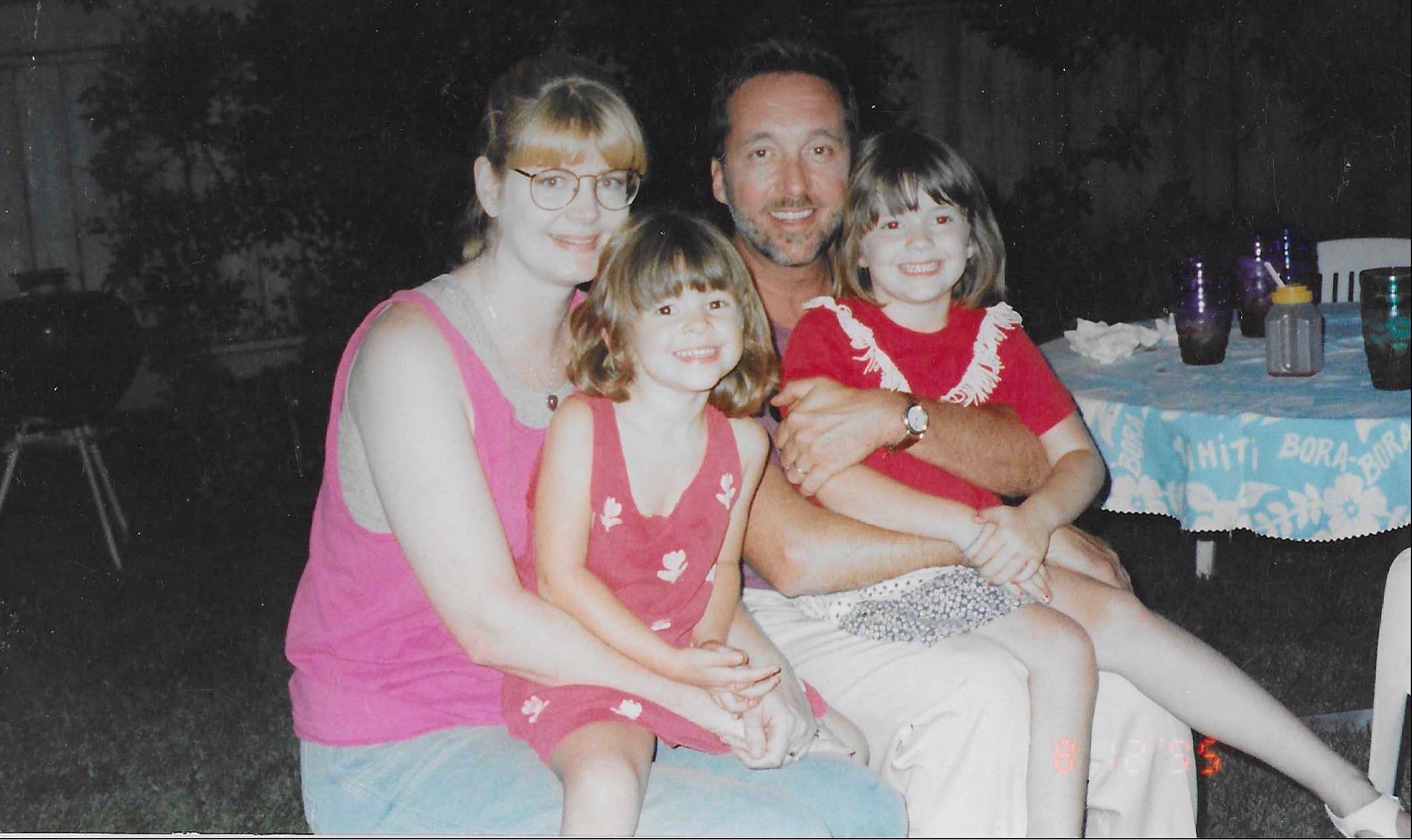
Holly grew up in what appeared, from the outside, to be a charmed Los Angeles family. Her father, an intensely creative man, held a variety of roles in the industry—an actor who eventually found himself working in the art department on the iconic sitcom Frasier. Her mother was a former model. Holly visited sitcom sets and lived among props from Café Nervosa. But at home, her father’s alcoholism and her mother’s prescription-drug addiction created a childhood defined by instability, fear, and the feeling that catastrophe might arrive at any moment.
In her conversation with Rainn, Holly explores how that environment shaped her OCD, her fierce need for control, and her longtime resistance to receiving help. She also reflects on the cynicism that once protected her, the complicated relief she experienced after her parents died, and the difficult realization that loving someone does not require denying the harm they caused.
But this is not an unrelentingly heavy conversation. Holly has the ability to make painful truths genuinely funny—not by minimizing them, but by finding the absurdity living beside them.
The conversation between Rainn and Holly ultimately asks what healing actually looks like when the people who hurt us were also people we loved. Is forgiveness an absolution of the past—or can it simply mean refusing to let the past continue governing our lives? And what becomes possible when we stop treating our contradictory feelings as evidence that something is wrong with us?
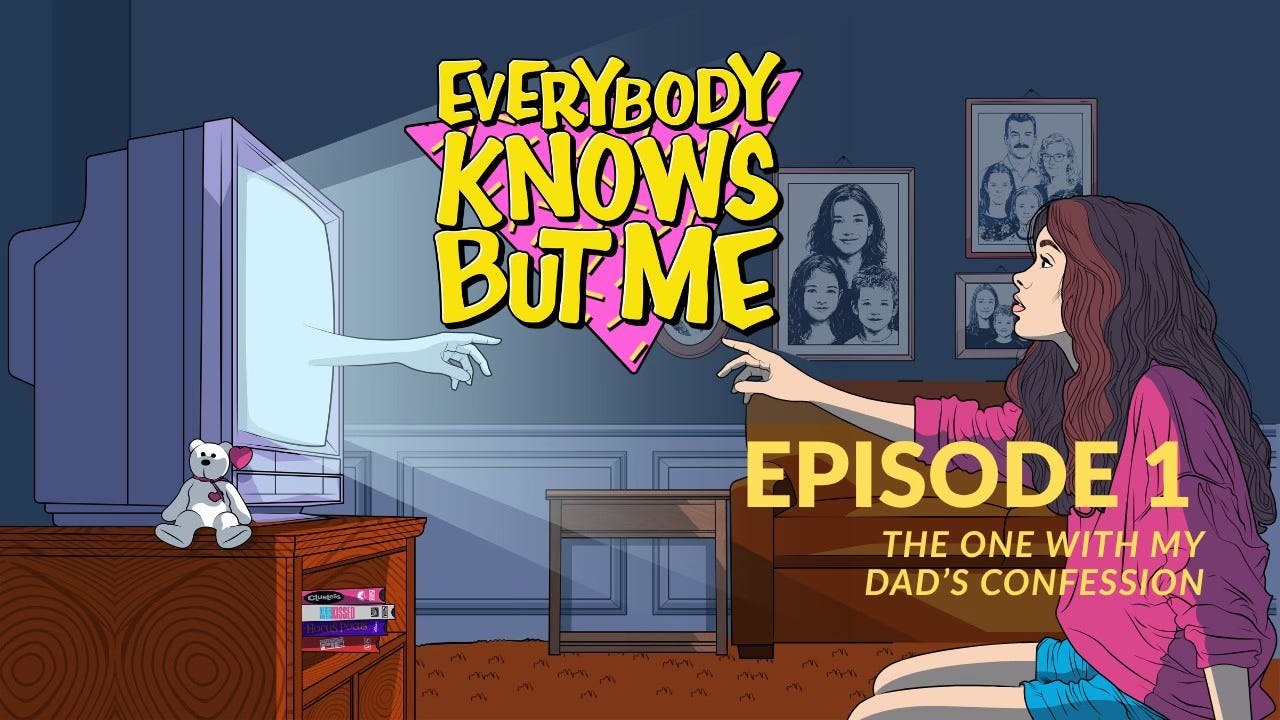
That question also lies at the heart of Holly’s break out podcast, Everybody Knows But Me, where she revisits the experiences and family dynamics that shaped her, bringing long-unspoken truths into the open.
Below, Holly shares more about the series and how both her podcast and her conversation with Rainn explore what healing from childhood trauma can actually look like:
At 17, after a battle with addiction and cancer, my father confessed on his deathbed that he had secretly fathered twin sons younger than me - twins that everybody in my extended family already knew about... except me. That’s where my show Everybody Knows But Me begins. Now in my 30’s, I set out to understand why I’d never met my brothers, how an entire family agreed to keep a secret that big, and why finally telling the truth about the home I grew up in became the only way forward.
My conversation with Rainn felt like such a natural extension of that journey and something I think so many people can relate to: that the parts of ourselves we most want to avoid are the exact places we have to return to if we ever want to understand who we are. Rainn had an incredible way of seeing both the person I am today and the kid who lived through it, all with the same wonderfully twisted sense of humor as me.
