

Awkwardness, Humanity, and Zach Anner
A conversation about seeing each another clearly — and a film reclaiming Haiti’s buried history.
Greetings to all you beautiful humans —
Today’s episode is a joyful one. Rainn sits down with comedian, writer, and world-traveler Zach Anner, who has alchemized the challenges of living with cerebral palsy into a resilience and outlook on life that is equal parts hilarious, disarming, and deeply wise.
Together Zach and Rainn explore disability, awkwardness, faith, embarrassment, and what happens when we stop worrying about saying the wrong thing and simply show up for one another as human beings.
Zach has a simple philosophy for navigating life: “See a person and be a person.”
We love it — it says so much, so simply. At the heart of Soul Boom is a longing to center our shared humanity.
But seeing people clearly doesn’t only matter in our personal lives. It matters in how we see whole nations, cultures, and histories. Too often, countries like Haiti are reduced to headlines or stereotypes rather than understood through the long human stories that shaped them.
Last week we shared a brief spotlight on The Forgotten Occupation: Jim Crow Goes to Haiti, a powerful new documentary from filmmaker Alain Martin. This week, we’re honored to share an essay from Alain himself—reflecting on the deeply personal journey behind the film and why reclaiming Haiti’s history is so essential to reclaiming dignity, identity, and truth.
Because sometimes the most powerful act of seeing a person—is seeing a people.
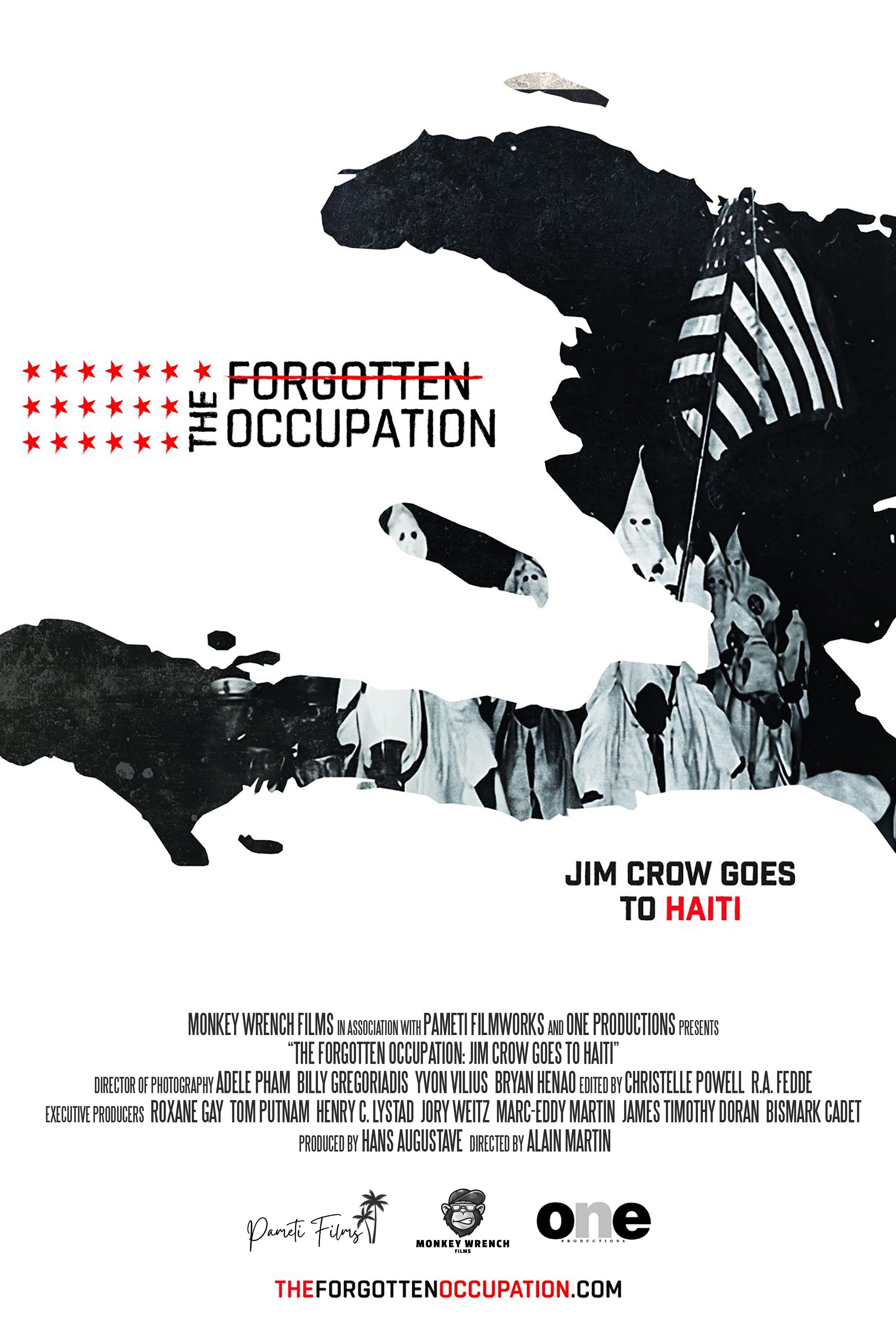
The Forgotten Occupation: Jim Crow Goes Haiti
by Alain Martin
The release of The Forgotten Occupation: Jim Crow Goes to Haiti,comes at a moment when the United States is once again projecting political and military power into the Caribbean. Strikes on boats at sea, regime change efforts in Venezuela, intensified embargoes on Cuba, and even symbolic gestures like renaming bodies of water are part of a renewed drive to assert American influence in the region. At the turn of the last century, as the United States was rising as a global power, it announced itself by intervening in the politics of its neighbors—what we now call gunboat diplomacy, dollar diplomacy, and the Good Neighbor Policy, all variations on a project of political and economic domination in the Caribbean and Latin America. In 1915, Haiti was pulled into the crosshairs of this project when U.S. Marines landed in Port-au-Prince and began a 19-year occupation. In 1919, as President Woodrow Wilson spoke about the rights of small nations to self-govern, occupation forces in Haiti were undermining Haitian sovereignty in the name of spreading democracy. The Haitian 20th century, defined by dictatorship, mass emigration, and economic depravity, is a direct consequence of this occupation.
With a push from a film professor, and my own desire to really understand the history of my culture, I set out on a 12-year journey developing The Forgotten Occupation and returning to the beginning to try to explain the present.
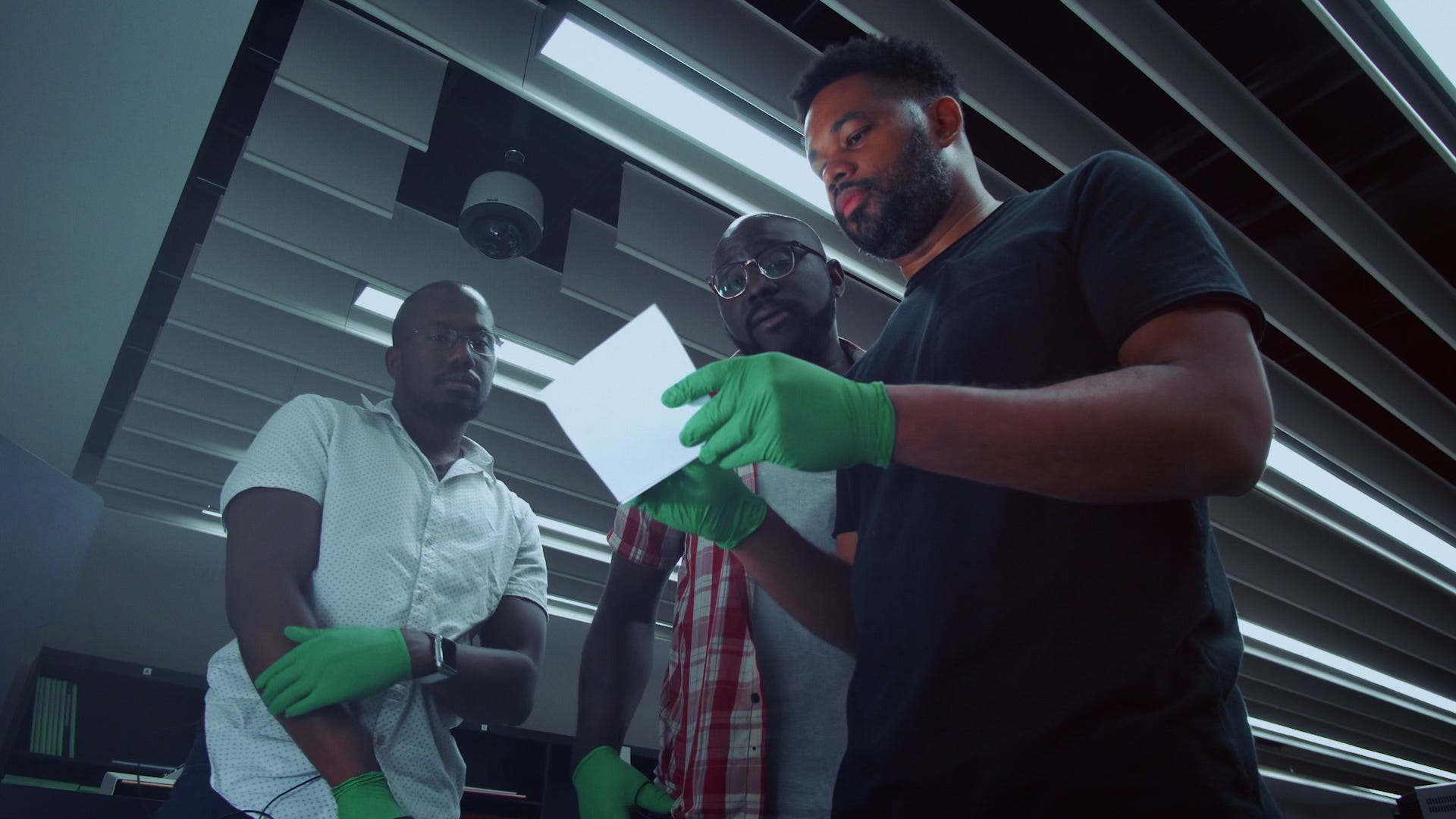
While the documentary is about occupation, it is also, at its core, a conversation between myself and my grandfather who was so instrumental in my life and upbringing. In order to find a way to bring the archival imagery and the shared memory of my people to life, I found a way in by writing a posthumous letter to my late grandfather Brunel who was a gifted storyteller and was tremendously instrumental in my life. Brunel was a fierce nationalist who loved the United States, who believed deeply in the American ideal and in the supposed benevolence of its mission to spread democracy. Looking at Haiti’s troubles in the late 20th century, he was convinced that only the strong, “benevolent” hand of the United States could shape Haiti into the prosperous nation he longed for. The film moves within the tension that the occupation he might have welcomed is a major reason Haiti was left in the very condition he found so deplorable.
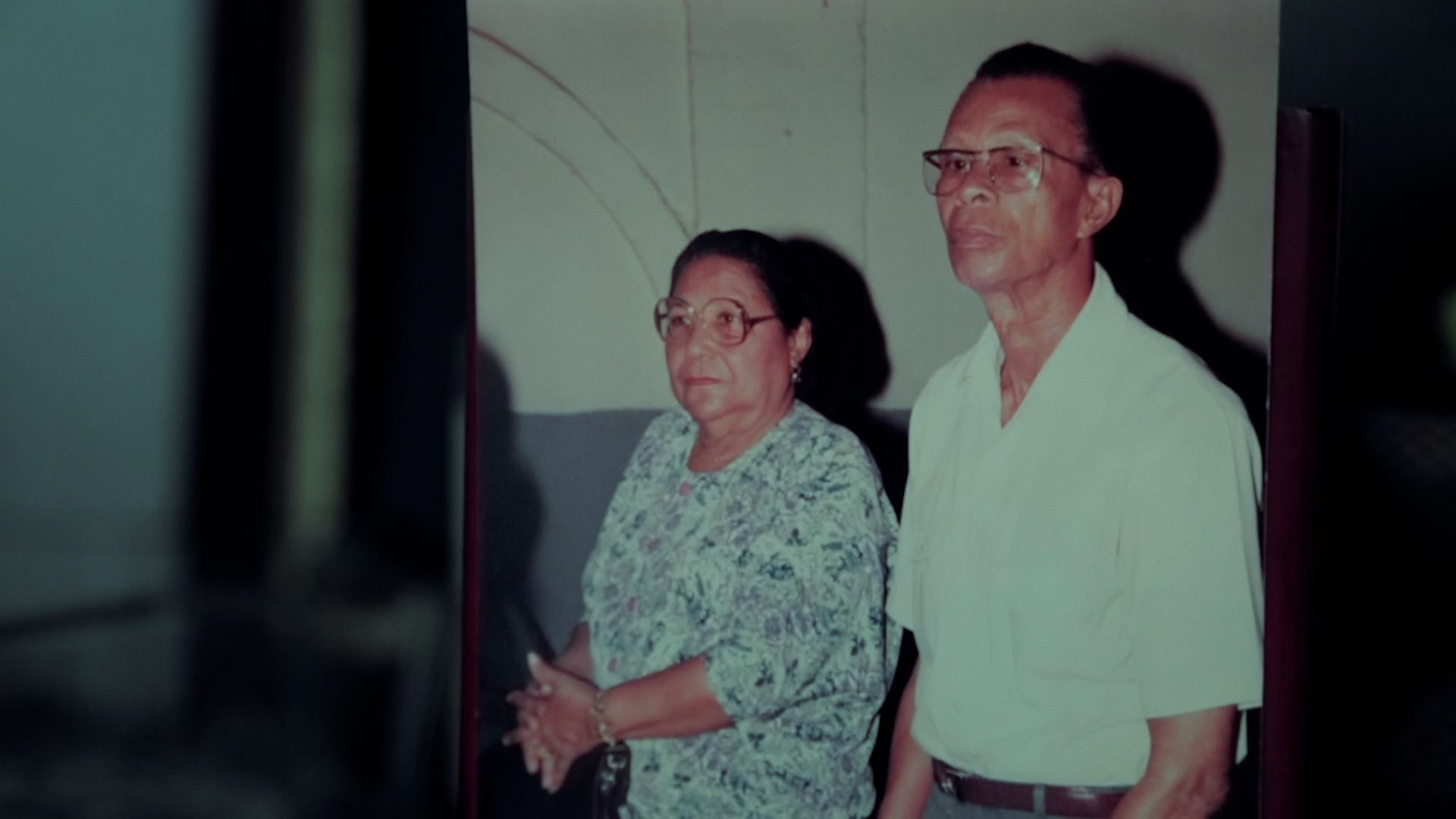
Brunel never spoke to me about the U.S. occupation that lasted 19 years, the very period in which he was born and came of age. For many Haitians, that occupation lives in memory as a bloody usurpation of the sovereignty our ancestors won when they ended slavery and expelled French colonizers in 1804. In the film, I try to take up my grandfather’s mantle as a storyteller and gently fill that silence. Through this letter, I walk him – and viewers – through the events, brutalities, betrayals, and long‑term implications of an occupation that has too often been pushed to the margins of history.
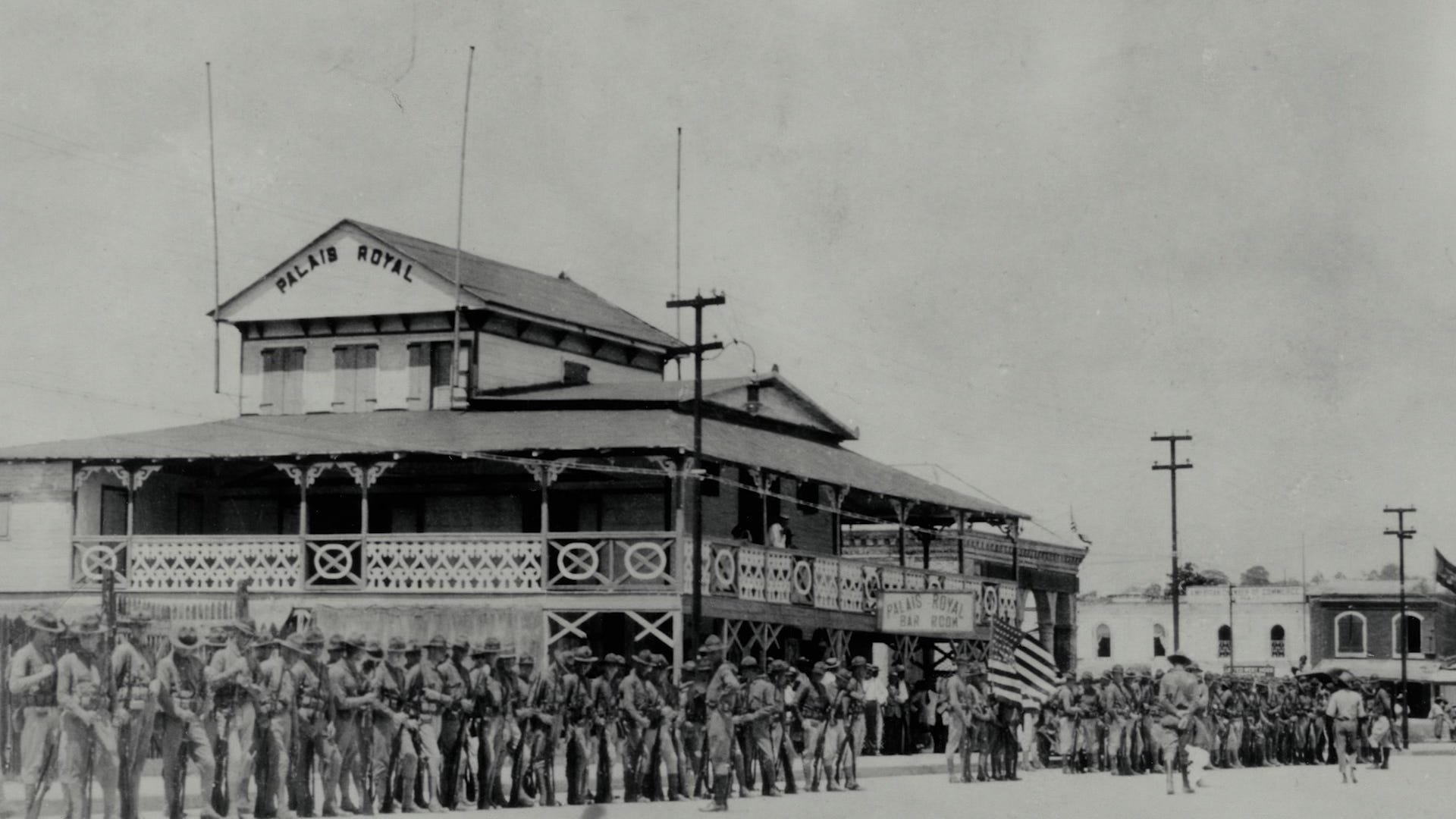
For me, making this film was an intensely personal process. I imagined, researched, shot, and shaped this documentary as an act of grief and love. The grief came as I pieced together archival records, testimonies, and the scars still visible in Haiti’s institutions, seeing how profoundly this occupation continues to shape our present. Today, Haiti faces a gang crisis, political instability, and an economy that struggles to offer a dignified life to most Haitians. I don’t believe any of this can be understood apart from a century‑old decision by a powerful neighbor to occupy, extract, and rewrite our destiny. For me, the occupation is not distant history; it is the ghost in almost every headline.
The project was also a labor of love. I wanted to make something Haitians could watch and say, “This is our story, told with care and rigor, in our voice.” Our occupation was not televised. I took on this project in the name of my people, for our collective memory, and as a humble act of hope.
By putting this story into the world, I hope to do two things. First, I want to give Haitian people across the globe tools to understand themselves. When we know what was done to us, we can begin to address it and organize around it. When we recognize our suffering as the predictable outcome of specific policies and violences—not evidence of some imagined inferiority—that clarity can strengthen our sense of identity and restore dignity to those who have carried shame.
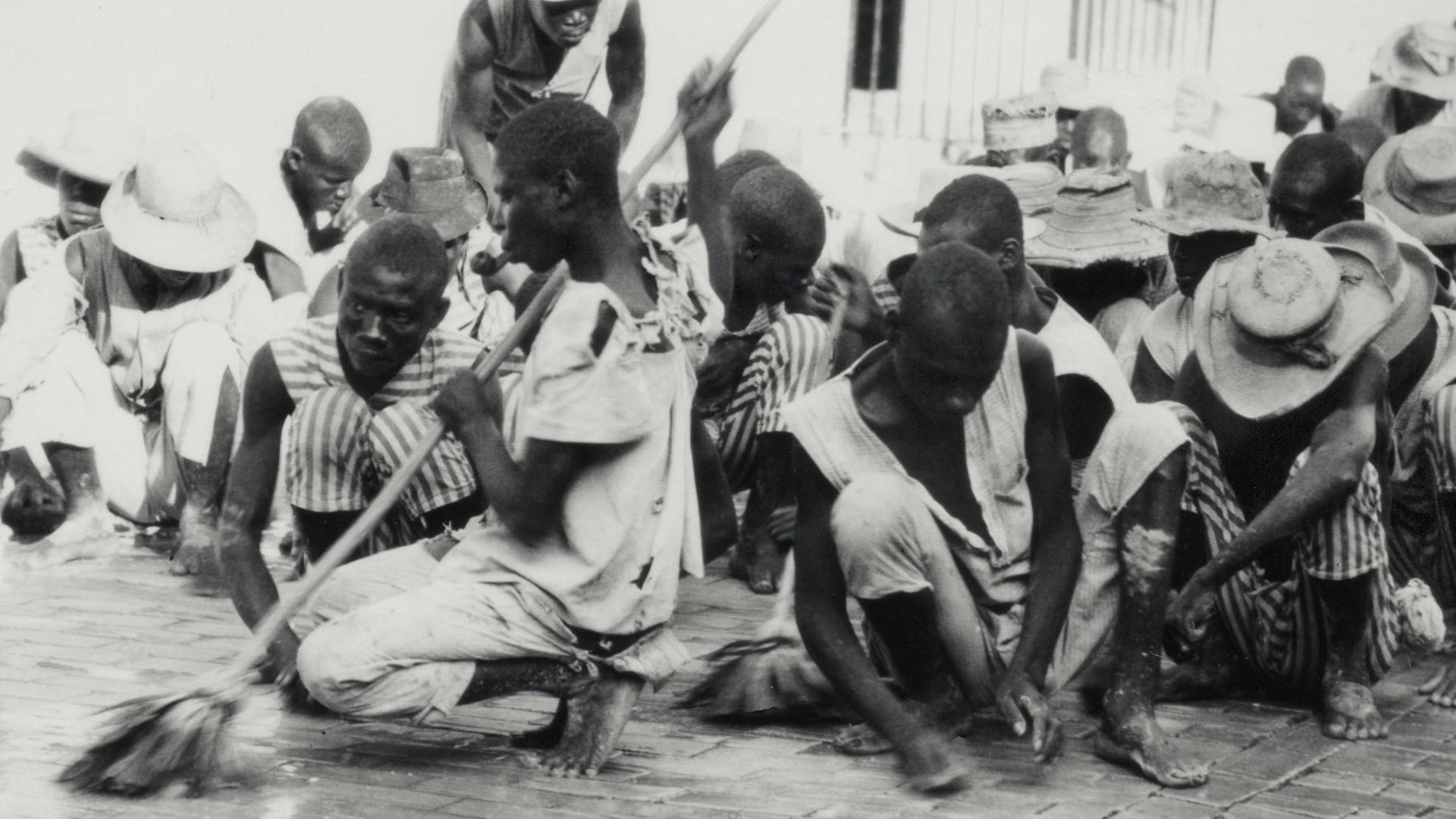
Second, I hope the wider world can learn to see Haiti differently. Not as “the poorest country in the Western Hemisphere,” perpetually in crisis, but as a nation that dared to become the first Black republic and has been punished ever since. Not as a cautionary tale, but as a mirror in which other countries might examine their own stories about freedom, race, and empire. Even when hope feels naïve, I believe that by reclaiming our history, we can help preserve our culture. I hope that by educating others about Haiti, we can slowly shift how they speak about us, write about us, and stand with us. And I hope that my grandfather, wherever he is, can somehow hear this letter and know that his grandson chose a different kind of movie—one in which Haiti is not a backdrop for someone else’s heroism, but the beating heart of the story.
Alain Martin is the director The Forgotten Occupation: Jim Crow Goes to Haiti. Executive produced by New York Times bestselling author Roxane Gay (Bad Feminist), the film revisits the U.S. occupation of Haiti (1915–1934) and traces its lasting impact through a deeply personal lens. The Forgotten Occupation is now available worldwide to rent or purchase on Apple TV, Amazon, Google Play, YouTube Movies, kweliTV, Gathr, and Vimeo On Demand, with educational access via Kanopy. We encourage you to check it out.