

What Does Death Actually Feel Like?
And what can we learn from near death experiences?
Soul Seekers,
This week on the Soul Boom podcast, Rainn sits down with Vinnie Tolman and Betty Guadagno (AKA Buddha Betty)—two people whose lives were radically transformed after near-death experiences that changed not only how they think about death, but how they live.
The episode opens with a question that is at once simple and impossible: What did you learn about life by experiencing death?
Both guests offer a remarkably similar answer. Heaven, they suggest, is not merely a place we arrive at after we die. It is something we can begin cultivating right here and now through love, intention, virtue, connection, and service to others.
The conversation quickly moves to love itself. Vinnie describes it as “the functional matter that runs everything.” Betty speaks of unconditional love and the profound spiritual realization that every human being is worthy of it, not because of what they’ve done or whether they’ve earned it, but simply because they exist. When Rainn asks what humanity most needs to learn about love, Betty suggests we’re already learning—through grief, suffering, and spiritual evolution. Vinnie believes we’ve simply forgotten what children know instinctively: how to love before we’ve been taught fear, scarcity, and separation.
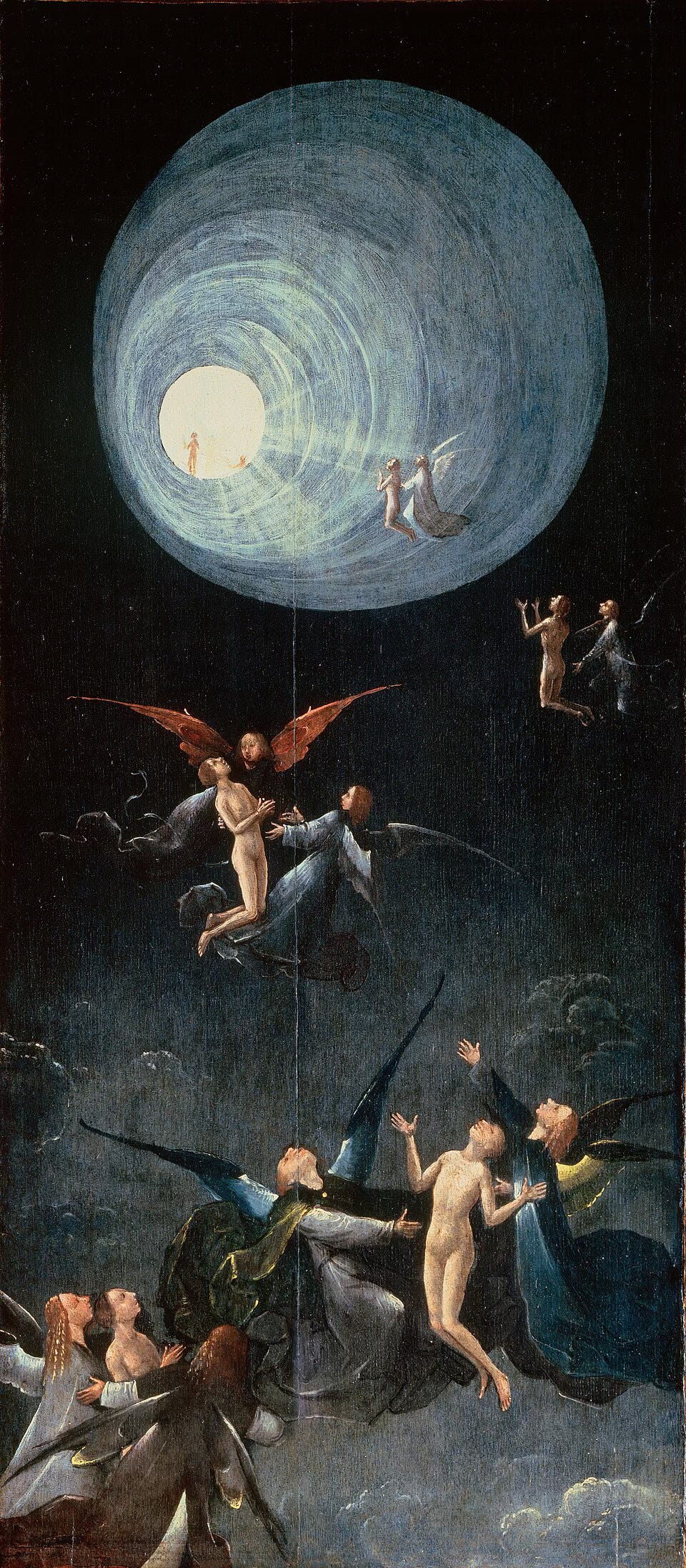
It’s a curious thing that people who claim to have glimpsed the other side of death almost never come back talking about stock portfolios, social media followings, or professional accomplishments.
They come back talking about love.
Near-death experiences are among the most fascinating and mysterious phenomena being studied today. Millions of people worldwide report having had them, and researchers have spent decades documenting strikingly common features across cultures, religions, and continents. People frequently describe overwhelming peace, experiences of unconditional love, encounters with light, panoramic life reviews, diminished fear of death, and profound changes in values and priorities after returning. There remains no scientific consensus on what near-death experiences ultimately are. Some researchers understand them as neurophysiological phenomena occurring in the dying brain, while others believe they point toward dimensions of consciousness we do not yet fully understand. Whatever one’s conclusions, they continue to raise profound questions about consciousness, death, and what it means to be human.
One of the most fascinating things about near-death experiences is that the experience itself is only half the story. The other half is who people become afterward.
Researchers have consistently documented lasting transformations among experiencers: a greater appreciation for life, increased compassion for others, diminished fear of death, less concern with material wealth, heightened spirituality, and a deeper sense of meaning and purpose. Whatever happens in those moments near death seems to reorder people’s priorities in profoundly human directions.
And that is perhaps where this episode becomes less about death and more about life.
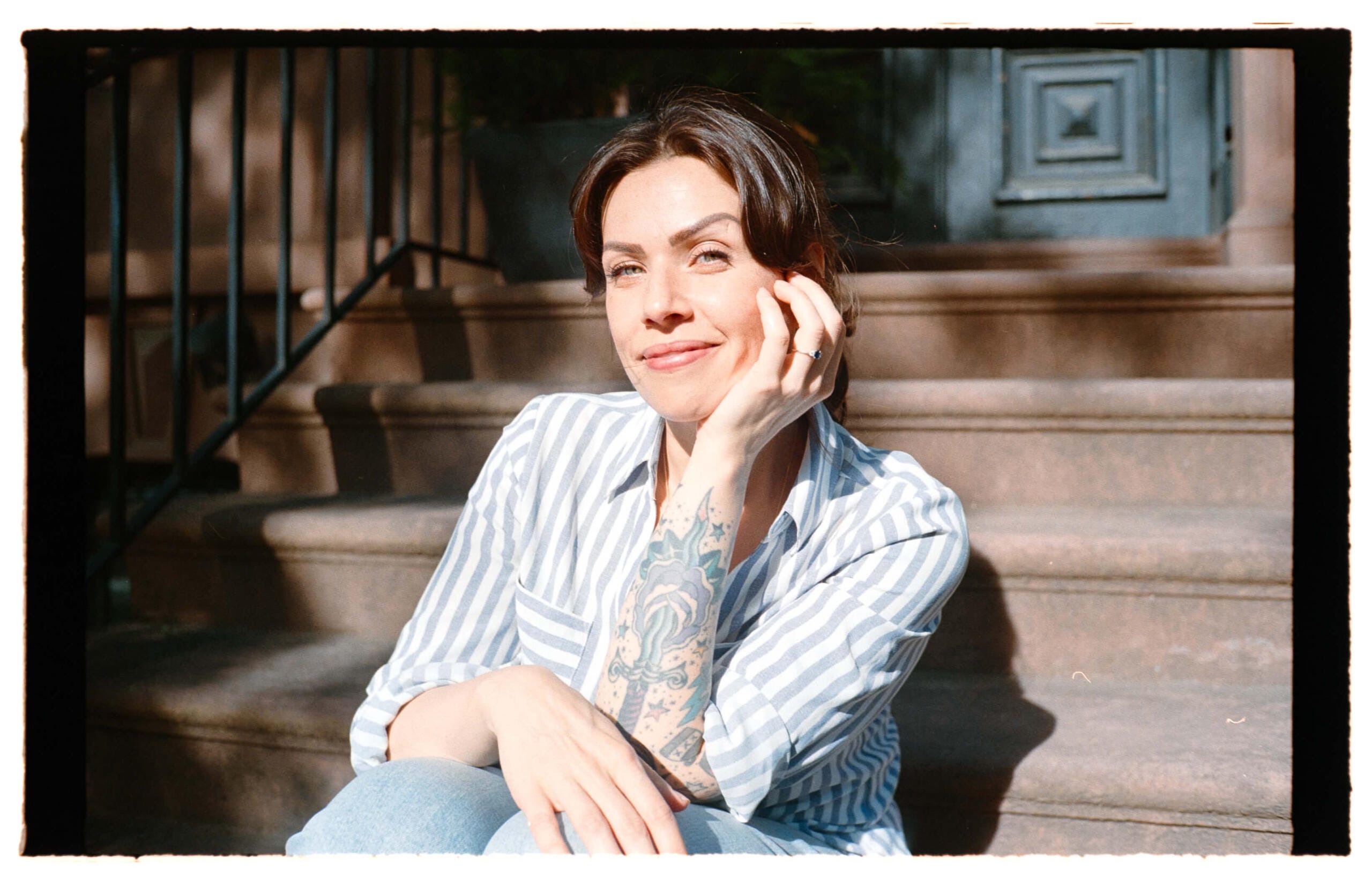
If anyone had earned the right to cynicism, it was Buddha Betty.
She grew up in extraordinary dysfunction and trauma. She lost both of her parents to suicide amid the opioid epidemic. She descended into addiction, prostitution, manipulation, and profound self-destruction. Her near-death experience following a drug overdose was not, however, an experience of condemnation. Again and again, she heard the same message from her deceased father: You are worthy of all the love in the universe.
It would make for a tidy spiritual story if that moment immediately transformed her life. It didn’t. She returned to drugs. She suffered through heroin withdrawal. She entered rehabilitation. She rebuilt her life one difficult, disciplined choice at a time. Mystical experiences, it turns out, do not absolve us of the work of becoming human.
In fact, they may invite us more deeply into it.
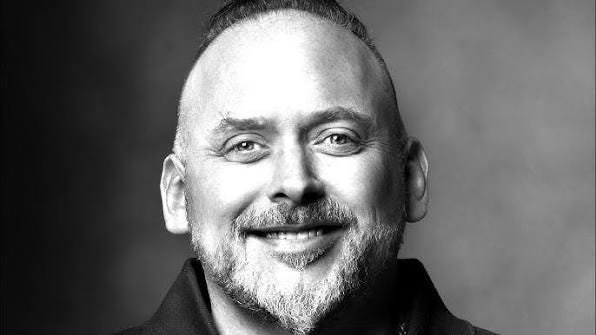
Vinnie Tolman’s story is no less extraordinary. After accidentally overdosing on a bodybuilding supplement, he was declared dead and placed in a body bag before a rookie EMT insisted on one final attempt to revive him. During the approximately 47 minutes in which he had no heartbeat, he reports experiencing what many would recognize as a classic near-death experience: observing events from outside his body, undergoing a life review, encountering a spiritual guide, and experiencing a realm of overwhelming love and belonging.
Perhaps the most beautiful insight he shares is something his guide told him during that experience: life is not a courtroom. It’s a classroom.
How different would our lives look if we truly believed that?
What if our mistakes were not evidence that we are failures, but opportunities for growth? What if suffering was not merely something to be avoided, but something capable of enlarging our capacity for wisdom and compassion? What if we are not here to perform spiritual perfection but to practice becoming more loving, more courageous, and more fully ourselves?
And what if heaven is less a destination than an apprenticeship?
There is another fascinating aspect of near-death research that rarely makes headlines. Many experiencers report what researchers call a “life review,” in which they not only revisit their actions, but experience their ripple effects through the eyes and hearts of others. The emphasis is not typically on punishment or reward. Rather, it is on empathy, interconnectedness, and the moral significance of even our smallest choices. Our lives, they seem to suggest, matter more than we realize—not because we are being graded, but because we are profoundly connected to one another.
What kind of world becomes possible when inner transformation fuels collective progress?
This episode offers one possible answer. The people who claim to have come closest to death consistently return with strikingly similar assignments: love more generously, forgive more freely, live more courageously, and serve more wholeheartedly.
Whether near-death experiences ultimately reveal something about consciousness beyond the brain or something extraordinary about the dying brain itself, they invite us to ask a deeper question.
What if the purpose of contemplating death isn’t to become preoccupied with the afterlife, but to become more devoted to this life?
Because if the people who claim to have glimpsed heaven keep returning to tell us that love is fundamental, that forgiveness matters, that community heals, and that we belong to one another, perhaps we should spend a little less time arguing about where they went and a little more time practicing what they brought back with them.
Heaven, it turns out, might not just be something we are waiting for. It might be something within us. And the world we can build together might reflect that that higher Kingdom… However dimly.

John Milton perhaps said it best, long ago: “The mind is its own place, and in itself can make a heaven of hell, a hell of heaven.” By extension, those people of either attitude of mind can subsequently make the same of their surroundings, homes, neighborhoods, states, countries, or the world.
Heaven isn't too far aaaway...